Hydraulic technology is transforming towing with systems that improve safety, efficiency, and reliability. Here are the top advancements shaping the industry:
- Electric Over Hydraulic Pump Systems: Precise control with reduced energy use and maintenance downtime.
- Hidden Hydraulic Wheel Lift Systems: Compact, automated designs that save time and reduce physical strain.
- Power Tilt and Hydraulic Tilt-Bed Trailers: Simplified loading without ramps, ideal for heavy equipment.
- Hydraulic Dovetail and Lowering Systems: Seamless ground-level loading for safer, faster operations.
- Advanced Hydraulic Control Systems: AI-driven diagnostics, real-time monitoring, and automated safety features.
These systems are critical in challenging environments like Southern Colorado, where steep terrain and unpredictable weather demand reliable equipment. Companies like Knob Hill Towing leverage these technologies to deliver safer, faster, and more efficient towing services.
Quick Comparison:
| Hydraulic System | Key Benefits | Typical Use Cases |
|---|---|---|
| Electric Over Hydraulic Pump Systems | Energy efficiency, reduced wear and tear | Heavy-duty towing, fleet operations |
| Hidden Hydraulic Wheel Lift Systems | Compact, automated, fast setup | Urban towing, vehicle recovery |
| Power Tilt Trailers | Ramp-free loading, heavy load handling | Equipment transport, commercial hauling |
| Hydraulic Dovetail Systems | Ground-level loading, safer operations | Machinery transport, oversized loads |
| Advanced Control Systems | AI monitoring, improved safety, lower risks | Emergency towing, high-volume operations |
These innovations not only improve towing performance but also reduce downtime, enhance safety, and extend equipment lifespan, making them essential for modern towing operations.
Miles Machine | Eurolift Vehicle Recovery and Towing Equipment – Double Tower Side Loaders
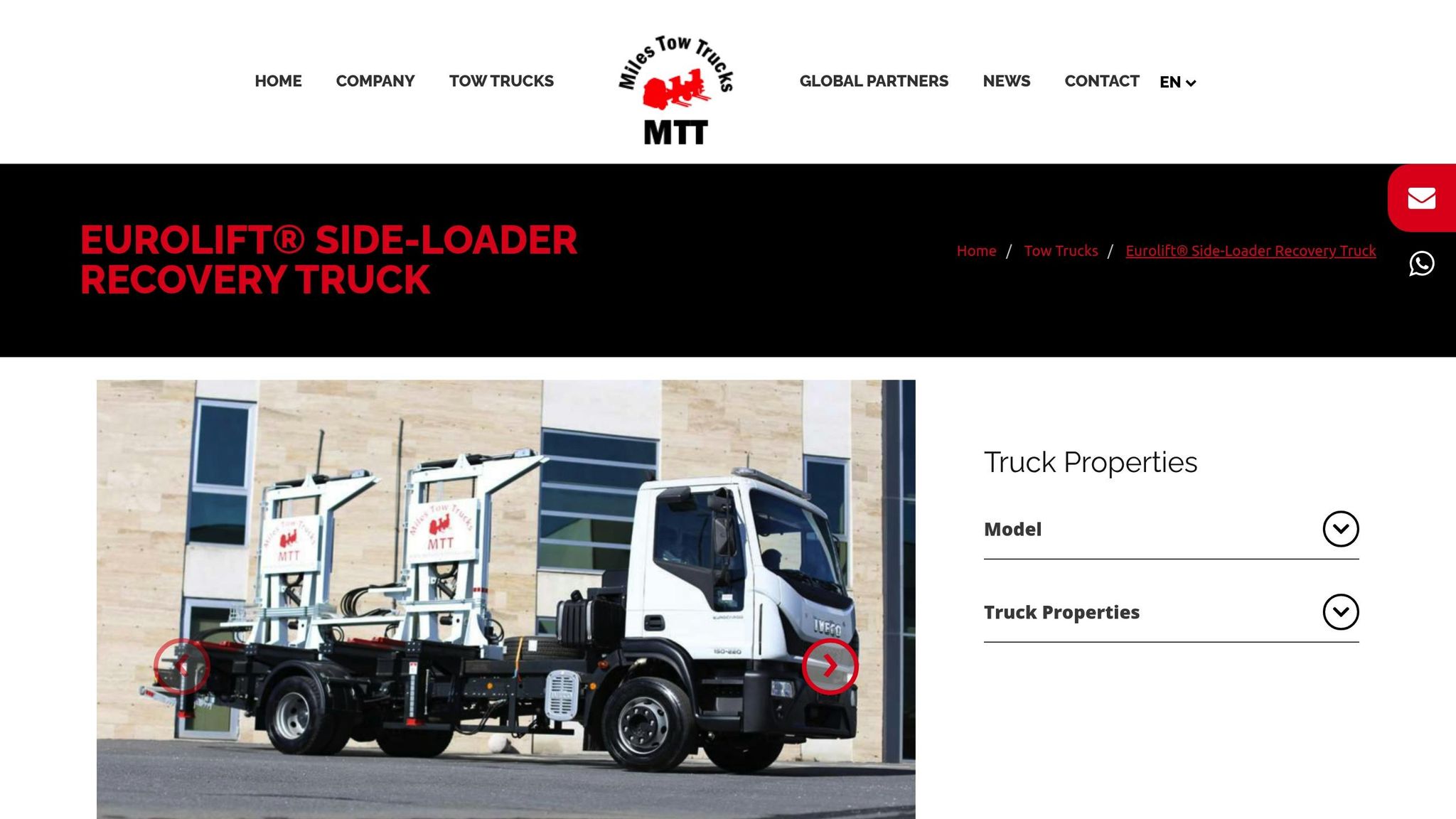
1. Electric Over Hydraulic Pump Systems
Electric over hydraulic pump systems combine electric motors with hydraulic power to provide precise control and reduce physical strain on operators. Using variable-speed drive technology, these systems adjust power consumption based on demand, which helps lower energy usage and operational costs. They represent a smart blend of efficiency, safety, and adaptability in the evolving world of hydraulic technology.
Efficiency in Towing Operations
Variable-speed drives can reduce energy consumption by as much as 70% [1], which not only cuts costs but also extends the lifespan of equipment. By aligning power output with lifting needs, these systems deliver precise control while minimizing wear and tear. This precision is especially useful in tight spaces or when handling vehicles that require extra care.
Improved efficiency also supports the integration of advanced safety features, ensuring the protection of both operators and equipment.
Safety Features and Operator Control
Modern electric over hydraulic systems are equipped with sensors and real-time monitoring to identify potential issues. In the event of an anomaly, they can automatically shut down to prevent damage [1]. Remote controls allow operators to manage the system from a safe distance, and predictive maintenance capabilities can reduce unexpected downtime by up to 50% [1].
Versatility for Various Towing Scenarios
These systems are designed to handle a wide range of towing tasks, from recovering motorcycles to heavy-duty trucks. Programmable settings ensure optimal performance for each specific job. Additionally, closed-loop designs help minimize environmental impact and reduce the need for frequent maintenance [1].
Durability and Reliability Under Heavy Use
The precise operation of these systems reduces overall stress on components, enhancing durability and enabling routine, planned maintenance instead of costly emergency repairs [1]. For example, Knob Hill Towing (https://knobhilltowing.com) relies on these systems to provide safe and efficient 24/7 emergency services, even in challenging terrains like the mountainous areas of Colorado.
2. Hidden Hydraulic Wheel Lift Systems
Hidden hydraulic wheel lift systems have transformed the towing industry with their clever design. Unlike the traditional wheel lifts that are visible and often bulky, these systems are seamlessly integrated into the truck’s chassis and can be deployed or retracted at the touch of a button. This sleek approach not only improves functionality but also makes the equipment more efficient and versatile.
One standout feature is the retractable and hidden design. When not in use, the wheel lift is tucked away within the truck’s frame. This doesn’t just give the truck a cleaner look – it also reduces drag, protects the equipment from theft or vandalism, and shields it from harsh weather conditions.
Efficiency in Towing Operations
These systems are a game changer when it comes to saving time. They can cut hookup times by as much as 40% compared to traditional manual setups [1][2]. With automated operation, operators can quickly secure vehicles without the physical strain that manual systems often require. This speed and ease are especially valuable for emergency services working around the clock, as it minimizes time spent on the roadside – a critical safety consideration.
Safety Features and Operator Control
Modern hidden hydraulic wheel lifts come packed with safety features. They include automatic locking mechanisms, overload sensors, and digital displays that show real-time information like hydraulic pressure and lift status [1][2]. These features not only make operations safer but also reduce the chances of human error. With less fatigue and more control, operators can handle even high-pressure situations with confidence.
Versatility for a Range of Vehicles
One of the biggest advantages of hidden hydraulic wheel lifts is their compatibility with a wide variety of vehicles. From small cars to light-duty trucks, these systems are built to handle them all [1][2]. Adjustable arms and variable lift capacities allow for a secure fit across different sizes and weights. In urban settings, the hidden design is particularly useful for maintaining discretion, while the powerful hydraulics ensure dependable performance even with heavier loads.
Built to Last
Durability is a core strength of these systems. Made with high-strength steel alloys and corrosion-resistant hydraulic lines, they’re built to withstand tough conditions [3]. Protective seals keep out dust, moisture, and debris, while the modular design makes maintenance and part replacement straightforward. Smart hydraulic systems even offer predictive maintenance capabilities, which can lower maintenance costs by up to 30% and boost uptime by 15–20% [1]. This reliable technology ensures these systems can handle the demands of emergency towing in any environment.
3. Power Tilt and Hydraulic Tilt-Bed Trailers
Hydraulics have brought a new level of convenience to towing, and power tilt and hydraulic tilt-bed trailers are a prime example. These trailers use hydraulic systems to tilt the entire bed, creating a loading angle – typically between 10 and 18 degrees – that allows operators to load equipment directly from ground level. This design eliminates the need for ramps and manual adjustments, streamlining the process and improving safety.
Efficiency in Towing Operations
Hydraulic tilt-bed trailers make loading faster and easier by removing the need for ramps, winches, or manual guidance. Operators can simply drive or roll machinery onto the trailer, saving time and boosting productivity. This is especially beneficial for businesses that handle frequent or heavy-duty towing.
Take the 2025 Moritz 7×22′ Power Tilt Hydraulic Tail Equipment Trailer, for instance. It features an 18-degree loading angle and a 66-inch hydraulic tail, making it perfect for handling substantial loads with ease. With a gross vehicle weight rating (GVWR) of 16,000 lbs, it’s designed to handle tough jobs while making the loading process more efficient.
For industries like top emergency towing services, where time is critical, these trailers offer a competitive edge by cutting down on loading and unloading times.
Safety Features and Operator Control
Safety is a top priority with these trailers, and they come equipped with features that give operators better control. Hydraulic stop and control valves allow for smooth, precise bed movement, while electric brakes on all wheels ensure reliable stopping power, even under heavy loads. LED lighting improves visibility during loading, and anti-sway technology helps maintain stability during transit, reducing the risk of accidents.
Versatility for Various Towing Scenarios
One of the standout features of hydraulic tilt-bed trailers is their ability to handle a wide range of towing needs. The ground-level loading capability is especially useful for transporting non-operational vehicles that can’t be driven onto standard trailers.
The 2025 Nordtek 82×24′ Hydraulic Tilt Bed Trailer is a great example. Its full tilting bed design and dual axles, each rated at 7,000 lbs, make it versatile enough to handle everything from disabled passenger vehicles to heavy construction equipment. Adjustable couplers and split-deck designs add even more flexibility, making these trailers suitable for a variety of tasks.
Durability and Reliability Under Heavy Use
Built to last, these trailers feature materials like aluminum alloys and composite blends, which provide strength without excessive weight. Pressure-treated deck boards resist weather damage and wear from heavy equipment, while the hydraulic systems are designed for repeated heavy-duty use. Protected hydraulic lines and robust pumping mechanisms ensure reliability, even under demanding conditions.
For example, Knob Hill Towing in Colorado Springs uses these advanced trailers to improve response times and ensure safety for their drivers. This often involves collaborating with emergency services to manage accident scenes effectively. With rugged terrain and unpredictable weather in Southern Colorado, these trailers are a perfect fit for the challenges of emergency towing.
Comparison Table
Here’s a quick look at some key models and their features:
| Model | GVWR | Bed Length | Key Features |
|---|---|---|---|
| Moritz 7×22′ Power Tilt | 16,000 lbs | 22′ | 18° loading angle, hydraulic tail, electric brakes |
| Nordtek 82×24′ Hydraulic Tilt Bed | 14,000 lbs | 24′ | Full tilt bed, aluminum wheels, LED lighting |
| PJ Trailers 83" Quick Tilt | N/A | 20′ | Hydraulic powered tilt deck, stability focus |
sbb-itb-09a90bb
4. Hydraulic Dovetail and Lowering Systems
Hydraulic dovetail and lowering systems bring a new level of efficiency to towing. These mechanisms use hydraulic power to tilt or lower a section of the trailer bed directly to the ground, creating a seamless loading ramp. Unlike traditional setups that require separate ramps or manual adjustments, these systems eliminate the gap between the trailer and the ground. This not only speeds up the process but also makes it safer.
Take the 2025 PJ Trailers Low-Pro model, for example. It features a 10-foot hydraulic dovetail[4], allowing operators to load equipment of various sizes using a simple hydraulic interface. Designed for heavy-duty commercial use, this system ensures quick and safe loading, perfect for demanding operations.
Efficiency in Towing Operations
Hydraulic dovetail systems save valuable time by streamlining the loading and unloading process. With advanced pumps and load-sensing technology, these systems deploy and retract quickly, making them indispensable for time-sensitive tasks like roadside recoveries or high-volume towing jobs.
Emerging battery-powered hydraulic systems add another layer of convenience by offering quieter, emission-free operation – ideal for urban or indoor environments where noise and emissions are a concern.
Safety Features and Operator Control
Modern hydraulic dovetail systems prioritize safety with features like safety interlocks, load moment indicators (LMI), and emergency stop functions. These safeguards help prevent accidents, such as unintentional lowering or overloading. Smart sensors continuously monitor hydraulic pressure and temperature, alerting operators to potential issues before they become serious problems.
Ground-level loading reduces risks of back injuries and tip-overs. Anti-slip surfaces and automatic locking mechanisms secure vehicles during both loading and transport. Real-time feedback from integrated sensors helps operators avoid overloads, while remote control options and automated leveling provide precise adjustments with minimal manual effort. This makes the entire process smoother and safer for operators.
Versatility for Various Towing Scenarios
One of the standout features of hydraulic dovetail systems is their ability to handle a wide range of vehicles and equipment. From low-clearance sports cars to heavy construction machinery, these systems adapt to different needs by adjusting the ramp angle and bed height. They’re equally effective for roadside assistance, accident recovery, or specialized transport tasks.
For example, the 2025 Nordtek 82×24 foot hydraulic tilt bed trailer showcases this flexibility. With a payload capacity of 11,520 pounds and a GVWR of 14,000 pounds[5], it’s suitable for everything from luxury vehicle transport to hauling construction equipment like skid steers or compact excavators. The gentle loading angle prevents damage to delicate vehicles, while the stable design reduces the risk of tip-overs during heavy equipment loading.
Durability and Reliability Under Heavy Use
Hydraulic dovetail systems are built to endure tough conditions. Closed-tube hydraulic cylinders resist contamination from dirt and debris, while high-efficiency pumps minimize fluid leaks and maintain consistent performance. Modular valve designs make maintenance easier and allow customization for specific needs.
Key components, such as wet brake systems and continuous lubrication mechanisms, extend the lifespan of the equipment. Advanced materials like aluminum alloys and composite blends provide strength without adding unnecessary weight, improving fuel efficiency. Protective hydraulic lines and durable pumping mechanisms are designed to handle the daily grind of commercial use. Regular maintenance – like checking fluid levels, inspecting for leaks, and calibrating sensors – ensures these systems perform at their best over time.
Companies like Knob Hill Towing in Colorado Springs depend on these advanced hydraulic dovetail systems to stay responsive and keep drivers safe. In the challenging terrain and unpredictable weather of Southern Colorado, the reliability and adaptability of these systems are critical for emergency towing and heavy hauling tasks.
5. Advanced Hydraulic Control and Safety Systems
Modern towing equipment has reached new heights with advanced hydraulic control and safety systems. These technologies integrate digital monitoring, AI diagnostics, and automated interventions to enhance both precision and safety in towing operations. Compared to traditional manual systems, these advancements provide operators with greater accuracy and protection, particularly during complex tasks.
Today’s hydraulic systems often feature IoT connectivity and real-time analytics, enabling operators to track hydraulic pressure, temperature, and performance metrics remotely – often through smartphone apps. For instance, variable-speed drive technology in hydraulic pumps can cut energy consumption by up to 30% compared to older constant-speed models[1].
Safety Features and Operator Control
Safety is a top priority in towing, and advanced systems deliver with features like electronic stability control, integrated braking sensors, and real-time hydraulic performance monitoring. These components work together to provide immediate feedback and automated responses, reducing risks of rollovers, jackknifing, or other hazards.
Anti-sway technology has been a standout innovation for towing safety. Equipped with anti-sway sensors, modern trailers can automatically adjust braking to maintain stability – an essential feature for managing heavy loads or long-distance towing. These automated safety measures not only improve security but also complement the system’s overall efficiency.
Efficiency in Towing Operations
Efficiency has also seen a boost with these smart systems. By adjusting pressure and flow in real time, they cut energy use by up to 30% while minimizing downtime through AI-driven predictive maintenance. Digital monitoring ensures smoother operations and quicker response times, which also helps reduce operator fatigue. Some systems even automatically adjust suspension settings based on load and terrain, simplifying operations further. The adoption of these smart hydraulic systems is expected to grow by over 20% annually in the transportation sector through 2027[1].
Electro-hydraulic systems blend hydraulic power with electronic controls, offering precise and energy-efficient performance. With real-time diagnostics and adaptive control features, these systems ensure optimal operation across varying conditions.
Versatility for Various Towing Scenarios
One of the key strengths of advanced hydraulic systems is their adaptability. They feature modular designs and customizable configurations, allowing operators to handle a wide range of vehicles and cargo types. Reconfigurable axle lines, adjustable suspension, and scalable payload capacities make it easy to switch between light-duty and heavy-duty towing or even specialized tasks like vehicle recovery or transporting oversized loads. This flexibility eliminates the need for entirely separate setups, saving time and resources.
Durability and Reliability Under Heavy Use
Designed to withstand extreme conditions, these systems incorporate closed-circuit motors, high-strength materials, and AI-driven maintenance to ensure reliability. Materials like aluminum alloys and composite blends provide durability without adding unnecessary weight, improving fuel efficiency and reducing wear on components. Closed-loop hydraulic systems also help minimize fluid loss and contamination, maintaining steady performance over extended use.
Companies like Knob Hill Towing in Colorado Springs depend on these advanced systems to handle challenging terrain and unpredictable weather. In Southern Colorado’s rugged environment, the precision and dependability of smart hydraulic control systems are critical for effective emergency towing and heavy hauling.
Additionally, these systems support compliance with evolving U.S. Department of Transportation safety regulations, such as electronic stability control and load monitoring requirements. Automated reporting features help operators meet industry standards, lower liability risks, and contribute to safer roads for everyone.
Comparison Table
Each hydraulic system brings its own set of strengths, catering to various towing demands. Below is a breakdown of key hydraulic innovations, focusing on performance, safety features, and typical uses.
| Innovation | Loading Speed | Max Lift/Tow Capacity | Key Safety Features | Primary Applications |
|---|---|---|---|---|
| Electric Over Hydraulic Pump Systems | Fast cycle times | Varies by manufacturer | Automated safety controls | Heavy-duty towing, commercial hauling, fleet operations |
| Hidden Hydraulic Wheel Lift Systems | 1–2 minutes | 4,000–6,000 lbs | Automated lift controls, secure locking mechanisms, real-time monitoring | Urban towing, repossession, passenger vehicle recovery |
| Power Tilt and Hydraulic Tilt-Bed Trailers | 1–2 minutes | 11,000–22,000 lbs | Hydraulic dampening, anti-sway technology, emergency stop valves | Heavy equipment transport, vehicle recovery, commercial hauling |
| Hydraulic Dovetail and Lowering Systems | 1–2 minutes | 10,000–36,000 lbs | Smooth loading controls, versatile positioning, hydraulic safety locks | Construction machinery transport, agricultural equipment, oversized loads |
| Advanced Hydraulic Control and Safety Systems | Real-time monitoring | Varies by platform | AI-driven diagnostics, predictive maintenance alerts, remote system monitoring | Fleet management, high-volume operations, all towing applications |
This table outlines the operational capabilities of each system. For example, hydraulic dovetail systems can handle the heaviest loads – up to 36,000 lbs, according to manufacturer specifications[4]. Meanwhile, advanced control systems stand out for their ability to reduce downtime through features like predictive maintenance alerts and remote monitoring[1].
In challenging environments like Southern Colorado, where emergency towing in Colorado often involves rugged terrain, precision and reliability are non-negotiable. While advanced systems typically require higher upfront costs and more extensive training, their long-term benefits, such as improved efficiency and reduced operational delays, often justify the investment.
Conclusion
Hydraulic advancements are transforming towing operations across the U.S., boosting efficiency, safety, and service quality. These technologies bring noticeable improvements, such as multi-directional articulation and stability controls for safer operations, electric over hydraulic systems for quicker cycle times, and smart control technologies that offer real-time feedback and automated adjustments [1][2][3].
These benefits are especially critical in regions with challenging conditions. For example, areas like Colorado Springs and Southern Colorado, known for unpredictable weather, steep terrain, and high altitudes, demand equipment that can handle stress reliably. Hydraulic tilt-beds and dovetail systems make loading on uneven ground more manageable, while advanced control systems ensure stability and safety even in harsh environments [4][6].
Companies such as Knob Hill Towing, recognized for their quick response times, certified drivers, and dedication to safety, are leveraging these innovations to their advantage. With these technologies, they can offer faster, safer, and more dependable service, meeting diverse towing and recovery needs. Features like real-time monitoring, predictive maintenance, and remote control help minimize downtime and enhance operational efficiency.
Although upgrading to these advanced hydraulic systems may involve retrofitting or investing in new equipment, the long-term gains – such as reduced labor costs, lower maintenance needs, and minimized liability – often outweigh the upfront costs. These systems seamlessly integrate improved safety and efficiency into daily operations [1][2].
Looking ahead, the towing industry is poised for even more progress, with future innovations likely to include AI integration, IoT connectivity, and sustainable materials. Building on today’s advancements, these developments will further enhance control systems and safety features [1]. Towing companies that adopt these hydraulic technologies now will be well-equipped to navigate a more competitive and regulated future with confidence and precision.
FAQs
How do electric-over-hydraulic pump systems enhance energy efficiency and minimize maintenance downtime in towing equipment?
Electric-over-hydraulic pump systems stand out for their ability to boost energy efficiency. By incorporating advanced control mechanisms, these systems ensure that only the exact amount of energy needed is used during operations. The result? Lower fuel costs and a smaller environmental footprint.
Another advantage is their streamlined design. With fewer moving parts compared to traditional systems, they experience less wear and tear over time. This translates to reduced maintenance demands and minimal downtime, allowing towing operations to stay reliable and efficient.
What safety features do hidden hydraulic wheel lift systems offer, and how do they improve operator control while reducing physical strain?
Hidden hydraulic wheel lift systems come packed with safety features aimed at making towing safer and easier for operators. One standout feature is the automatic locking mechanism, which keeps vehicles securely in place during towing. This prevents any unexpected shifts or disengagements, ensuring stability throughout the process. Another key element is the precision hydraulic controls. These allow for smooth and precise adjustments, giving operators better handling and reducing the chance of mistakes.
By automating much of the heavy lifting and securing work, these systems help ease the physical demands on operators. This not only reduces the risk of injuries but also makes the job far less strenuous. Together, these features make hydraulic wheel lift systems an essential tool in today’s towing industry.
How do hydraulic dovetail and lowering systems enhance versatility and durability in towing, especially in rugged environments like Southern Colorado?
Hydraulic dovetail and lowering systems have transformed the towing industry by adding a new level of flexibility and resilience. These systems simplify the process of loading and unloading vehicles or equipment, even when dealing with uneven ground. For areas like Southern Colorado, with its rugged terrain and unpredictable weather, this capability is a game-changer.
One of the standout benefits is how these systems reduce the physical effort required, making operations safer and more efficient. They also help protect towing equipment from excessive wear and tear, extending its lifespan. Built to handle heavy-duty tasks and challenging conditions, hydraulic systems are a reliable solution for towing professionals who need to deliver consistent, top-notch service in any environment.