Driver Qualification (DQ) files are mandatory records that confirm a commercial driver meets federal safety, medical, and licensing standards. For towing companies, these files include employment applications, motor vehicle records (MVRs), medical certifications, and road test results. The retention rules, per 49 CFR 391.51, require:
- During Employment: Maintain the complete DQ file for the entire duration of a driver’s employment.
- Post-Employment: Retain the file for three years after the driver leaves the company.
- Specific Documents: Some records, like annual MVRs and medical certificates, can be purged three years after their execution date.
Proper file retention ensures compliance with federal regulations, simplifies audits, and reduces liability risks. Missing, outdated, or incomplete records can lead to fines, penalties, or even operational shutdowns. Towing companies should implement systems to track document expiration dates, conduct regular internal audits, and maintain organized, accessible records.
Webinar: Constructing and Maintaining an FMCSA Compliant DQ File
Federal Regulations for DQ File Retention
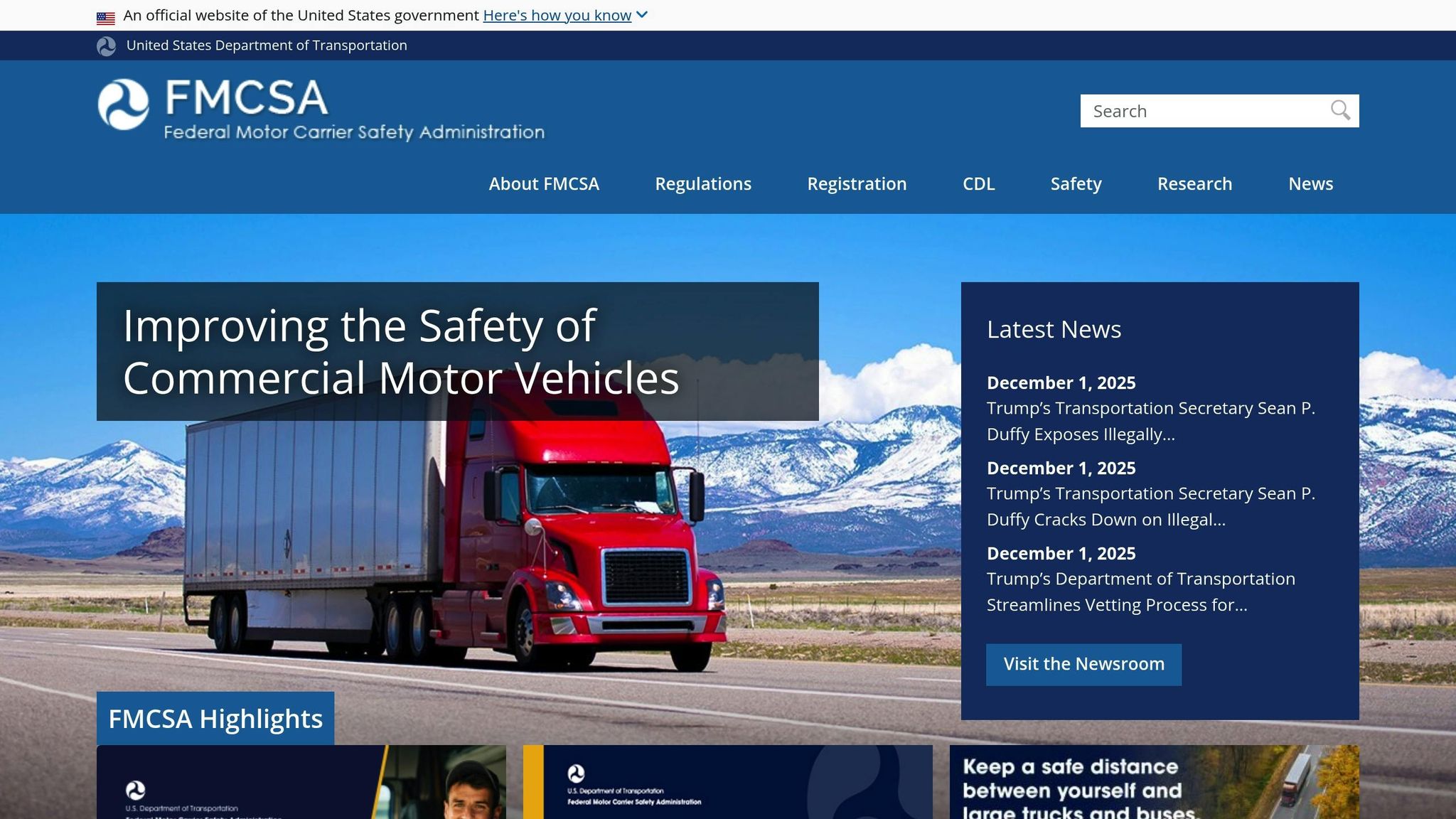
The federal guidelines for managing driver qualification (DQ) files are outlined in 49 CFR Part 391, a set of rules issued by the Federal Motor Carrier Safety Administration (FMCSA). These regulations apply to all motor carriers operating commercial vehicles across state lines, including towing companies. They specify what needs to be included in each driver’s file, how long documents must be kept, and how they should be made available during audits or investigations. Following these rules is essential for building a compliant and audit-ready DQ file system. Below, we break down the key requirements and offer practical tips for maintaining these files.
49 CFR 391.51 and Core Requirements
Under 49 CFR 391.51, motor carriers are required to maintain a qualification file for every driver. These files must be kept for the duration of a driver’s employment and for three years after the driver leaves the company. For example, if a tow truck operator works for six years, their file must remain on record for a total of nine years. To stay compliant, towing companies should use reminders or tracking systems to ensure files are retained for the required period and purged only when allowed.
The regulation also specifies the mandatory documents that each DQ file must include, such as:
- The driver’s employment application
- Motor vehicle records (MVRs)
- Medical examiner’s certificate or proof of medical status
- Road test certificate or equivalent CDL documentation
- Records of inquiries to previous employers
- Annual reviews of the driver’s record
For towing companies operating heavy-duty wreckers or CDL-required vehicles, these documents collectively confirm that drivers are properly vetted, medically qualified, and consistently monitored for safety performance.
Paragraph 391.51(d) provides some flexibility by allowing certain records to be purged after three years. This includes annual MVRs, the driver’s annual record of violations, and documentation of annual reviews. For instance, an MVR obtained in May 2022 can be flagged for removal after May 2025. By tagging these records with their execution dates, companies can lawfully purge them while keeping the rest of the file compliant and manageable.
Other related FMCSA rules also affect DQ file content. For example:
- 49 CFR 391.23: Covers background checks and safety performance investigations.
- 49 CFR 391.25: Requires annual driver record inquiries.
- 49 CFR 391.41–391.45: Focuses on medical qualifications and certifications.
These sections generate additional documents, such as prior employer inquiries and medical reports, which must be included in the DQ file or stored alongside it. Notably, companies can combine the DQ file with the driver’s personnel file, as long as all required documents are accessible and organized. This option can simplify administration for smaller fleets without dedicated compliance staff.
| Topic | Key Federal Requirement | Practical Implication for Towing Fleets |
|---|---|---|
| Core rule | Maintain a DQ file for each driver under 49 CFR 391.51 | Create a dedicated file (paper or electronic) for every tow truck driver. |
| Retention period | Keep the file during employment and for 3 years post-termination | Ensure files are retained for three years after a driver leaves the company. |
| Purgeable items | Certain records can be removed 3 years after execution | Use dates to schedule lawful purges, reducing storage needs while staying compliant. |
| Required contents | Include application, MVRs, medical certificates, and other documents | Use a checklist to ensure all mandatory items are present in each file. |
Common violations related to DQ files include missing MVR updates, incomplete employer checks, and expired medical certificates. These issues can lead to fines, lower safety ratings, or increased liability in the event of accidents. To avoid these pitfalls, companies should use dated checklists and calendar alerts to track renewals like annual record checks and medical exams, ensuring all actions are documented in the DQ file.
FMCSA Guidance on File Management
FMCSA allows DQ files to be stored in paper or electronic formats, as long as they are well-organized, backed up, and retrievable when needed. Many fleets are now turning to electronic file management systems, which streamline compliance by automating expiration tracking and centralizing driver documents. For smaller towing companies, a mix of secure paper files and scanned backups may suffice. Larger operators, such as Knob Hill Towing in Southern Colorado, often benefit from fully electronic systems that allow indexing by driver, document type, and retention date.
FMCSA requires carriers to produce complete and organized DQ files promptly during audits or reviews. To prepare, towing fleets should conduct internal audits to confirm that staff can retrieve any driver’s full DQ file within minutes. Including an internal checklist in each file – though not required – can help demonstrate to auditors that all necessary documents are present and up to date.
It’s also important to note that Clearinghouse queries, while essential for tracking drug and alcohol compliance, do not replace traditional background checks required under 49 CFR 391.23. Records of these queries must be retained alongside other safety documentation.
DQ files are just one part of a company’s broader safety recordkeeping responsibilities, which also include drug and alcohol testing, hours of service, and vehicle maintenance records. Aligning retention schedules across these categories can help prevent accidental destruction of important documents. For example, drug and alcohol test records often have longer retention requirements (typically five years) and must remain accessible even if stored separately from the DQ file.
Retention Timelines for DQ Files
Knowing how long to keep each document in a driver qualification (DQ) file is just as important as understanding what documents to maintain. The FMCSA has set two key retention timelines to help carriers stay organized and audit-ready. These timelines align with the broader DQ file management practices covered earlier.
Employment Period Plus 3 Years
Under FMCSA rules, certain documents must be retained for the entire duration of a driver’s employment, plus an additional three years after they leave. For instance, if a driver works for seven years and then resigns, their file needs to be kept for a total of ten years before it can be discarded.
This category includes:
- The driver’s original employment application, which captures their initial qualifications and background.
- The initial motor vehicle record (MVR) obtained during pre-hire screening, showing compliance with state licensing and safety standards.
- Safety performance history inquiries and responses from previous employers, covering the required FMCSA lookback period.
These records are essential for audits, post-incident investigations, and insurance reviews to verify that drivers met all qualification standards. For towing companies, such as those handling heavy-duty recoveries or emergency roadside assistance, having these documents on hand is critical during reviews.
To manage these timelines effectively, companies should record the termination date for each driver and set a clear destruction or archive date – three years from that point. Using tools like spreadsheets or calendar alerts can help prevent accidental early disposal or unnecessary over-retention.
If a driver transitions internally – such as moving from light-duty towing to CDL-required heavy hauling – the retention clock starts from the date they begin regulated driving duties and extends to three years after they stop that work or leave the company entirely. Keeping a role history in the DQ file ensures the retention timeline is linked to safety-sensitive activities.
3 Years from Document Date
Other documents must be kept for three years from their creation date, even if the driver remains employed. These are typically recurring records that reflect a driver’s ongoing qualifications rather than their initial hire.
Examples include:
- Annual MVRs obtained under 49 CFR 391.25, which show the driver’s driving record.
- Annual reviews of the driver’s driving record, often paired with the annual MVR.
- The driver’s annual list of violations or certification of no violations.
- Medical examiner’s certificates and related forms, which are valid for up to two years and replaced with updated versions.
- Exemptions, waivers, and Skill Performance Evaluation certificates, which must be kept while active and for at least three years after they expire or are replaced.
Each document has its own lifecycle. For example, an annual MVR obtained on June 15, 2023, can be discarded after June 15, 2026, while an MVR obtained on June 20, 2024, would need to be kept until June 20, 2027. This rolling retention system ensures that only the most recent three years of updates are included in a compliant file for long-term drivers.
To stay organized, carriers should label each document with its specific retention end date, either by marking paper files or using digital metadata. This approach helps prevent premature destruction and avoids holding onto outdated records unnecessarily.
Drug and alcohol testing records and Clearinghouse query records have their own retention rules. Positive test results and certain violations must be kept for five years, while negative results and other queries may only need to be retained for one to three years, depending on the type of record.
File Organization and Purging
The "three-year purge" system allows carriers to regularly remove documents from DQ files once they are more than 36 months old – provided the regulation only requires three years of retention. This process reduces clutter and makes it easier for managers and auditors to locate current records.
To simplify this, DQ files can be divided into two sections:
- "Permanent/Employment Plus 3 Years": Includes items like the employment application, initial MVR, and safety performance inquiries.
- "3 Years from Document Date": Includes annual MVRs, reviews, and updated medical certificates.
Using consistent naming conventions that include document dates and retention end dates can help identify records eligible for purging. Some companies even use color-coded folders – such as green for permanent items and yellow for three-year items – or digital tags to flag documents scheduled for removal.
A regular purging schedule – often quarterly – can help carriers identify documents ready for destruction. A checklist or report ensures only eligible records are removed. It’s also important to document the destruction process, whether through shredding paper files or securely deleting digital records. Implementing permissions, version control, and backup policies ensures no records are deleted prematurely.
For companies with high turnover, like Knob Hill Towing in Colorado Springs, which operates 24/7 emergency towing and heavy hauling, standardized onboarding and offboarding processes are key. By tying each driver’s hire and termination dates to specific retention and purge schedules, even frequent staff changes can be managed consistently. Keeping accurate, up-to-date DQ files demonstrates compliance with federal qualification standards, which is essential during audits or post-incident investigations.
During internal audits, carriers should review DQ files against 49 CFR 391.51 to confirm required documents are present and outdated records have been purged. Some safety advisors recommend including non-required items, like internal training logs or checklists, in DQ files to streamline FMCSA audits, even though these aren’t mandated by regulations.
Training and Certification Records for Towing Operators
Training and certification records play a critical role in the driver qualification (DQ) files maintained by towing companies. While the FMCSA regulations in 49 CFR Part 391 outline the fundamental requirements for these files, training records provide the necessary proof that drivers meet the qualifications – especially for specialized towing operations.
These records confirm that a towing operator is not just licensed and medically cleared but also specifically trained and assessed for the equipment and scenarios they will encounter on the job. For companies involved in emergency roadside assistance and vehicle recovery, maintaining detailed training documentation supports compliance during audits, strengthens legal defenses in crash-related cases, and demonstrates a strong commitment to safety for insurers and regulators.
Adding Training Records to DQ Files
Each operator’s DQ file should contain copies of their current commercial driver’s license (CDL), any relevant endorsements (like tank or hazardous materials, if required), the road test certificate or equivalent documentation, and certificates for specialized training, such as heavy-duty towing or recovery operations.
Road tests and skills evaluations must be well-documented using standardized forms that include the date, vehicle type, and the specific skills evaluated – such as backing, coupling, securement, and auxiliary braking. The examiner’s name and signature should also be included. By attaching these forms to the DQ file, companies create a clear record showing that operators were assessed in realistic towing scenarios before being dispatched independently.
For CDL status, endorsements, and medical certifications, companies should keep updated copies of each document in the DQ file, along with a tracking log noting issue dates, expiration dates, and renewal deadlines. This ensures safety managers can easily monitor credential expirations and quickly retrieve documentation during inspections or insurance reviews.
Though not always required, many compliance experts and insurers recommend including training records in or alongside DQ files. These records are often requested during audits, legal proceedings, and insurance underwriting. Additionally, keeping non-mandatory documents – like internal training checklists or equipment-specific sign-offs – either with the DQ file or a related HR or safety file can demonstrate qualifications that exceed federal standards.
Training records, such as CDL copies, road test certificates, and safety training documents, should follow the same retention period as the driver’s DQ file. Each record should clearly indicate the vehicle class or equipment it pertains to, such as "heavy-duty rotator operation", "flatbed carrier securement", or "off-road recovery." Including a summary in the DQ file that outlines the units and job types the driver is qualified to operate helps ensure clarity. Consistent documentation of ongoing training and evaluations builds on this foundation.
Documenting Ongoing Training and Evaluations
Beyond initial training, keeping records of ongoing training further solidifies operator qualifications. High-risk operations – like heavy-duty towing, highway recovery, and winter or mountain responses – require systematic documentation of training sessions. This documentation should include dated sign-in sheets or digital attendance logs, detailed agendas or lesson outlines, and, when applicable, individual certificates or test results confirming the operator’s understanding of the material. For example, a winter refresher course might cover chain installation, traction management, safe winching, and roadside visibility, with a signed checklist stored in the DQ file.
Performance evaluations add another layer of documentation by showcasing how operators apply their training in real-world situations. These evaluations should detail the date, evaluator’s name and role, evaluation method (e.g., ride-along, yard observation, or review of camera footage), and clear feedback on critical skills like load securement, use of safety gear, and maneuvering in tight spaces. Any corrective actions or follow-up training should also be noted. Storing these evaluations – ideally cross-referenced with incident reports or coaching records – creates a continuous record of an operator’s performance and growth.
Real-world incidents often highlight training gaps, prompting targeted sessions to address specific issues. For example, a review after an incident might reveal improper winch line angles or inadequate nighttime traffic control. In such cases, targeted training sessions can be organized for the affected operator or the entire team. Documenting the attendance, topics covered, any new procedures introduced, and linking the training record to the incident number ensures that lessons learned lead to improved safety practices.
Written policies should outline the required training, how often it must be completed, how it will be documented, and where records will be stored. Using standardized forms for road tests, check rides, toolbox talks, and annual refreshers ensures consistent data collection, making it easier to demonstrate a systematic approach to training during audits or investigations.
Knob Hill Towing in Colorado Springs provides a strong example of this practice. Known for its 24/7 emergency towing and vehicle recovery services, the company highlighted in December 2025 that its operators are "First-aid- and CPR-certified", showcasing its dedication to operator training.
To keep training and certification records organized, companies can use a standardized DQ file checklist that lists all required and optional documents. Tools like color-coded dividers or labeled electronic folders (for licensing, initial qualifications, ongoing training, and evaluations) and digital reminders or fleet software to flag upcoming expirations of CDLs, endorsements, and required refresher training can streamline the process.
The FMCSA allows driver qualification files to be stored electronically, as long as the records are accurate, reproducible, and readily accessible. This flexibility can simplify integrating DQ files with electronic learning management systems and training logs.
For towing companies handling heavy-duty or specialized recovery tasks, documenting advanced certifications or manufacturer-specific training – like heavy-duty rotator operation or air-cushion recovery techniques – helps demonstrate that operators are prepared for higher-risk assignments.
sbb-itb-09a90bb
Compliance and Enforcement Research
When it comes to compliance, even small lapses in recordkeeping can lead to big problems. Research shows that FMCSA audits frequently flag driver qualification (DQ) files for noncompliance. Knowing what auditors look for – and why keeping accurate records matters – can help towing companies avoid penalties, improve safety, and stay in good standing with regulators.
Frequent Compliance Issues
During compliance audits, FMCSA investigators focus on the required documents outlined under 49 CFR Part 391. One of the most common problems? Missing or expired medical examiner’s certificates. Auditors often find drivers working without current DOT physicals, unverified medical certificates, or missing medical cards.
Another frequent issue involves overdue or incomplete annual motor vehicle record (MVR) reviews. Regulations require carriers to review each driver’s MVR at least once a year, but audits often uncover skipped reviews, late completions, or missing documentation, such as written notations or supervisor signatures.
Investigations into a driver’s safety performance history with previous employers also reveal gaps. Missing inquiry letters, incomplete responses, or no evidence that an investigation was even attempted are recurring problems.
Other deficiencies include missing road test certificates, unsigned annual reviews, and outdated employment applications. In many audits, nearly every driver file contains at least one error – whether it’s a missing signature or an incomplete date. Even small paperwork mistakes count as violations.
For towing operations, managing DQ files can be especially tricky. Fleets with part-time, on-call, or night-shift drivers often struggle to keep up with annual MVR reviews and medical recertifications. Companies handling both light- and heavy-duty towing may also get confused about which drivers need to meet full CDL and DQ requirements, leading to uneven documentation and a higher risk of audit issues.
When required DQ documents are incomplete or missing, carriers can face citations under 49 CFR Part 391. These violations don’t just affect compliance; they can increase FMCSA’s Compliance, Safety, Accountability (CSA) scores, result in conditional or unsatisfactory safety ratings, and even lead to civil penalties.
There’s also a clear link between poor DQ file management and higher crash risks. Drivers with outdated or missing MVRs and annual reviews are more likely to be involved in preventable accidents. Similarly, inadequate medical documentation has been tied to medical-related incidents uncovered during post-crash investigations.
Public enforcement cases highlight the severity of these issues. Carriers found operating with medically unqualified or improperly licensed drivers – often due to missing or outdated records – have faced steep penalties and, in some cases, shutdowns. These aren’t just administrative errors; they reflect deeper safety oversight failures that can lead to serious legal and operational consequences. This is why keeping thorough, accurate records is more than just a regulatory requirement – it’s a critical safety practice.
Benefits of Proper Recordkeeping
Addressing compliance issues with a systematic approach to DQ file management not only reduces audit risks but also strengthens safety practices across the board. Companies that shift from disorganized paper systems to structured DQ file management often see fewer violations and better audit results. Many carriers now use electronic DQ file platforms with automated alerts for expiring documents like medical cards, CDLs, and annual MVR reviews, which helps them avoid missed deadlines.
Keeping complete and updated DQ files can also improve CSA scores in the Driver Fitness BASIC category, reducing regulatory interventions and lowering insurance costs. Insurers increasingly ask for evidence of systematic driver qualification and training programs during policy renewals or claims reviews. Carriers with clean, well-maintained DQ files are more likely to secure better premium rates and coverage terms.
Organized DQ and training records also show drivers that safety and compliance are top priorities. This helps build a professional safety culture, allowing fleets to track training and performance trends, support high-performing drivers, and reduce turnover.
Having well-organized records can also make a big difference during compliance or crash investigations. When carriers can quickly produce accurate documentation, they resolve issues faster and reduce regulatory and reputational risks. Streamlined records make audits smoother and help avoid unnecessary penalties.
Fleet managers can use key metrics – like the percentage of drivers with current medical certificates, on-time completion of annual MVR reviews, and trends in Driver Fitness BASIC scores – to monitor compliance risks and track improvements over time. Many companies also conduct internal “mock audits” or third-party reviews of DQ files to catch issues before official audits. Aligning these reviews with driver training and recertification cycles creates natural checkpoints to ensure all documentation stays current.
For towing companies like Knob Hill Towing in Colorado Springs, which operates 24/7 and handles heavy-duty and specialized equipment, proper DQ and training records are essential. These records not only prove that drivers are medically qualified and properly licensed but also demonstrate a commitment to safety and customer satisfaction, meeting FMCSA expectations every step of the way.
DQ File and Training Record Management Practices
An efficient system for managing DQ files and training records can streamline audits and keep track of expiration dates. For towing and roadside assistance companies, which often operate 24/7, this system must accommodate varied shifts, emergency responses, and a mix of light- and heavy-duty equipment.
Organizing Files by Retention Period
To stay organized, divide documents into two categories: those that need to be kept for the duration of employment plus three years, and those retained for three years from their creation date. Digital tools can make this process more efficient. For example, use tags like "employment+3" or "3-year retention" to label files, allowing staff to quickly locate necessary records when audits arise without sifting through expired paperwork.
Many towing fleets use compliance software or fleet management tools to monitor document expiration dates. These systems can send alerts – via email or dashboards – 30 to 90 days before critical documents like medical certificates, MVRs, or annual reviews expire. This gives HR or safety teams ample time to schedule renewals and avoid compliance issues.
For companies like Knob Hill Towing, where drivers work unpredictable hours and respond to emergencies, it’s essential to maintain a standardized DQ and training record structure for all drivers. Adding tags or flags to indicate the equipment each driver is qualified to operate – such as light-duty towing, heavy-duty recovery, or roadside assistance gear – can be a game-changer. This way, dispatchers can quickly verify that an on-call driver has up-to-date medical and training records for the specific equipment needed, even during a 2:00 AM emergency call.
Integrating these organized records with regulatory timelines ensures compliance is maintained without interruptions.
Matching Documentation to Regulatory Deadlines
Aligning documentation with regulatory deadlines minimizes the risks of non-compliance. Instead of scrambling to schedule medical exams or MVR reviews at random intervals, create an annual compliance calendar that maps out deadlines for each driver’s medical certificate, MVR, and annual review. Tie training sessions and evaluations to these milestones for greater efficiency.
For instance, if a driver’s medical certificate and MVR review both expire in June, schedule a combined evaluation and refresher training that month. This approach creates a natural checkpoint to update all necessary documentation annually, reducing the administrative hassle of tracking separate deadlines.
Using standardized checklists can further simplify updates. For example, an annual review form that combines MVR review notes with driver performance evaluations ensures both regulatory and safety requirements are met in a single document. Similarly, a training log that records dates, topics, instructors, and attendees provides a clear record of each driver’s ongoing education and skill development.
For towing operators, training records should extend beyond federal minimums. Documenting additional areas like load securement, winching and recovery techniques, roadside safety, traffic control, personal protective equipment use, and incident response protocols strengthens the company’s position during audits or after incidents. Including sign-in sheets, completion certificates, and skills evaluation checklists for these trainings demonstrates a commitment to safety and ensures drivers are well-prepared for the demands of their roles.
Written Policies for Record Retention
Clear written policies are essential for effective record management. These should specify what records are kept, where they’re stored, who maintains them, how long each type is retained, and the procedures for archiving or purging files.
Policies should also address privacy protection, access control for sensitive information, and backup procedures to ensure records aren’t lost due to hardware failures or paper file mishaps. For companies using both paper and digital systems, the policy should clarify which format serves as the official record and how the two are synchronized.
Many fleets review their record retention practices annually, often alongside internal safety audits or insurance renewals. Updates to policies may be prompted by regulatory changes, the adoption of new technology (like switching to an electronic DQ system), fleet expansion, or insights from external audits or incident investigations.
Real-world examples can help illustrate the importance of proper DQ and training record management. Anonymous case studies of past incidents – where missing or outdated records led to regulatory penalties, higher insurance premiums, or operational delays – can be shared during safety meetings or supervisor training. On the flip side, positive examples, such as how well-maintained records resolved a claim or passed an inspection smoothly, highlight how accurate documentation protects jobs, the company’s reputation, and customer relationships.
Ultimately, managing DQ and training records effectively isn’t just about meeting regulatory requirements – it’s about ensuring every driver is ready for the demands of emergency operations. For companies like Knob Hill Towing, which operates around the clock and handles specialized equipment across Colorado Springs and Southern Colorado, strong policies and systematic record management are key to maintaining qualification, training, and safety standards for every driver who answers the call.
Conclusion
Keeping driver qualification (DQ) files and training records organized is key to ensuring safe and compliant towing and roadside assistance operations. Federal regulations under 49 CFR 391.51 require motor carriers to hold onto complete DQ files for the entire employment period plus three years, while allowing certain documents to be removed three years after they’re executed. These rules exist to ensure that only qualified drivers are on the road, reducing the likelihood of accidents, injuries, and property damage.
Properly managed DQ files and training records also prepare towing companies to handle FMCSA or state audits with confidence. This helps avoid costly fines, out-of-service orders, and potential harm to a company’s reputation. By organizing records based on retention timelines, keeping track of expiration dates, and implementing clear policies for managing files, companies can show they’re committed to compliance. These practices not only make it easier to respond to enforcement inquiries but also simplify everyday tasks like verifying driver qualifications during dispatch, scheduling training updates, and onboarding new operators. In turn, this can lower insurance risks, improve chances of securing contracts with municipalities or motor clubs, and provide critical documentation when handling incidents or claims. Streamlined recordkeeping doesn’t just improve operations – it sets the standard for professionalism in the industry.
Knob Hill Towing exemplifies this approach by relying on certified drivers and well-maintained records to ensure safety and quick response times. By aligning their DQ files and training documentation with federal retention rules, they demonstrate a commitment to safe roadside operations and consistent customer service. In today’s environment, strong recordkeeping is increasingly seen as a sign of professionalism, helping companies build trust with customers, partners, and regulators. This can play a vital role in winning contracts and fostering long-term business relationships.
Ultimately, managing DQ files and training records is an ongoing process that evolves with changes in drivers, regulations, and operational needs. Following federal guidelines and regularly reviewing practices ensures compliance and safety remain priorities. Even small steps, like conducting internal audits, consolidating records, or adopting secure digital systems, can significantly reduce compliance risks and improve efficiency. Companies that dedicate themselves to this process not only meet regulatory demands but also create a safer, more reliable foundation for their operations.
FAQs
What happens if towing companies don’t follow driver qualification (DQ) file retention rules?
Failing to follow DQ file retention rules can come with some serious fallout for towing companies. We’re talking steep fines, legal troubles, and even the suspension of operations if the violations are bad enough. Beyond the financial and legal risks, non-compliance can take a toll on your company’s reputation, making it tougher to land contracts or keep customer trust intact.
Keeping your DQ files accurate and up to date isn’t just about meeting regulations – it’s about running a safe and accountable operation. Regularly reviewing and organizing these files not only helps you avoid penalties but also shows your dedication to industry standards and public safety.
What are the best practices for towing companies to manage driver qualification (DQ) files and stay compliant with federal regulations?
To stay on top of driver qualification (DQ) files and meet federal regulations, towing companies need to prioritize organized and consistent record-keeping. This means keeping detailed and up-to-date records for every driver, including employment applications, medical certificates, and driving history. The Federal Motor Carrier Safety Administration (FMCSA) sets specific retention periods for these files, so it’s crucial to regularly check retention schedules and properly discard outdated documents.
Leveraging digital tools or software to centralize and securely store DQ files can make the process smoother and help prevent errors or lost paperwork. Conducting regular audits of these files is another smart move – it ensures compliance and highlights any gaps that need fixing. By taking a proactive approach, companies can avoid costly penalties and stay focused on safety and meeting regulatory standards, which are essential in the towing business.
What documents are required in a driver qualification (DQ) file, and how often should they be updated or reviewed?
A driver qualification (DQ) file needs to include several key documents to meet federal regulations and uphold safety standards. These essential items typically include:
- Driver’s application for employment
- Motor vehicle records (MVR) from the last three years
- Medical examiner’s certificate
- Certificate of road test or similar proof of qualification
- Annual review of driving record
- Annual list of violations submitted by the driver
- Copies of any mandatory training or certifications
It’s important to regularly review these documents to ensure they remain current. For instance, the medical examiner’s certificate must be renewed before it expires, and the annual driving record review must be conducted every 12 months. Keeping these records updated is not just about compliance – it also helps maintain smooth operations and safety.